
The Haryana Cabinet on July 28 approved a series of decisions aimed at promoting affordable housing, boosting industries, improving governance, strengthening welfare measures and encouraging electric mobility.
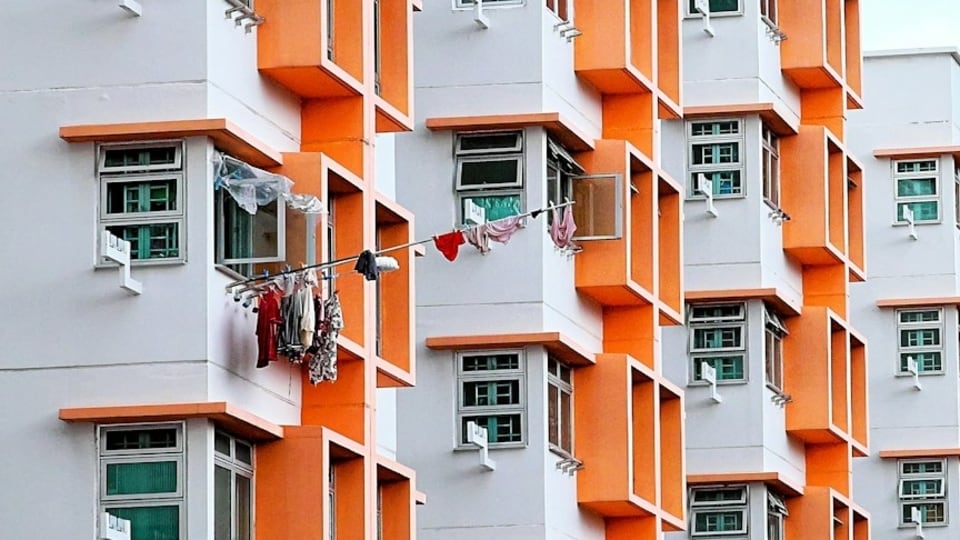
In a major relief for the beneficiaries of Pradhan Mantri Awas Yojana-Urban 2.0, the Cabinet chaired by Chief Minister Nayab Singh Saini approved a huge reduction in stamp duty and registration fees for Economically Weaker Section (EWS) beneficiaries purchasing eligible housing units up to 60 square metres.
Under the decision, payment will be made only to eligible beneficiaries ₹500 more as stamp duty ₹Rs 500 per conveyance deed registration fee.
At present, stamp duty is 5 per cent plus an additional 2 per cent, while registration fees are levied on a slab basis.
The government said the move will reduce the financial burden on beneficiaries and support the “Housing for All” mission.
The Cabinet also approved a bill to establish Kusum International University in Rewari through amendment to the Haryana Private Universities Act, 2006.
The government said the university will help expand higher education capacity and contribute to achieving the National Education Policy 2020 target of 50 per cent gross enrollment ratio.
To improve financial accountability, the Cabinet approved the draft of the Haryana Local Audit Bill, 2026, which proposes a statutory framework for independent audit of local bodies and institutions receiving public funds.
The Bill empowers the local audit department to issue surcharge notices, call for records and submit audit reports to the state legislature within specified timelines.
The government also unveiled the Haryana Progressive MSME and Export Promotion Policy 2026, calling it the state’s most comprehensive policy for micro, small and medium enterprises.
The policy includes 60 initiatives aimed at attracting ₹Investing Rs 55,000 crore in the manufacturing sector, creating over five lakh jobs and doubling the state’s exports in the next five years.
It provides incentives such as capital and interest subsidies, credit assistance, export assistance, common infrastructure, technology adoption and sustainability measures.
Cabinet approved the compensation of ₹₹7.5 lakh for the legal heirs of persons who died in police custody due to unnatural causes, including torture, suicide, fights between detainees or negligence by police personnel.
Compensation will not be given in cases of natural death, illness, escape attempts or natural calamities.
In cases of torture, at least half of the compensation amount will be recovered from the salaries of the guilty police officers.
In another decision, the Cabinet increased 20 per cent horizontal reservation for Haryana domiciled ex-fire veterans in recruitment to the posts of Fire Operator-cum-Driver, Wildlife Guard, Constable in Indian Reserve Battalion and State Disaster Response Force.
The government said the move will provide employment opportunities using skills acquired during military service.
The cabinet also approved rules under the Haryana Abadi Deh (Ownership, Recording and Reconciliation of Ownership Rights) Act, 2025 to create legal ownership records for properties in Lal Dora areas.
The rules provide a transparent mechanism to determine ownership and resolve disputes.
To improve revenue administration, the Cabinet amended the Haryana Revenue Patwari Service Rules.
The mandatory training period has been reduced from 18 months to one year and trainee patwaris will now get regular salary instead of stipend.
Their pay scale has also been upgraded after successful completion of training.
The Cabinet approved amendment to the Health Department Service Rules to create 22 posts of Senior Radiology Officer and re-designate Radiographers as Radiology Officers.
To encourage women’s ownership of vehicles, the government has approved a one percent relaxation in motor vehicle tax for non-transport vehicles. ₹Registration in the name of 20 lakh more women.
To promote clean transportation, the Cabinet approved 100 percent exemption from motor vehicle tax on new electric two-wheelers, three-wheelers and four-wheelers. ₹30 million.
price of electric vehicles up ₹30 lakh will get 50 percent tax exemption, while the existing 20 percent exemption for CNG vehicles will continue.
The Cabinet also approved the Haryana State Minorities Commission Bill, 2026, which provides for the establishment of a statutory commission to protect the rights and welfare of minority communities.
Additionally, it relaxed the provisions of the compassionate appointment policy to allow up to three Haryana domiciled dependents of martyred armed forces and CAPF personnel, who were minors at the time of the death of their parents, to be considered for Group-C government jobs after attaining majority.
The Cabinet gave in-principle approval to a new formula-based property tax assessment system for urban local bodies, replacing the existing 2013 mechanism.
The new framework aims to make property tax assessment more transparent and uniform while providing exemptions for religious institutions, government schools and hospitals, agricultural properties and many other categories.